
Spring Tire Check Guide
Spring Tire Check Guide
Posted on June 8, 2026
After months of snow, ice, freezing temperatures, and pothole-filled roads, winter can take a serious toll on your tires. Once spring arrives in Winnipeg, MB, it is important to give your tires a proper inspection before heading into warmer weather and road trip season.
Your tires are the only part of your vehicle that directly touch the road, so their condition plays a major role in safety, handling, braking, and fuel efficiency. Whether you commute daily through Winnipeg, drive near Selkirk, or travel around Steinbach and Headingley, seasonal tire maintenance can help you stay safer on Manitoba roads. Here is what drivers should know during a spring tire check.
Check Your Tread Depth First
Tread depth is one of the most important things to inspect after winter driving. Snow-covered roads, slush, gravel, and icy conditions can wear tires down faster than many drivers realize.
Tire tread helps maintain traction, especially during spring rainstorms when roads become wet and slippery. If tread becomes too shallow, stopping distances can increase and hydroplaning risks become higher.
A quick visual inspection may reveal uneven wear or bald spots, but a professional tire inspection can provide a more accurate measurement. If your tread depth is getting low, spring is a good time to consider replacing your tires before summer driving begins.
Winter Tires Should Be Removed at the Right Time
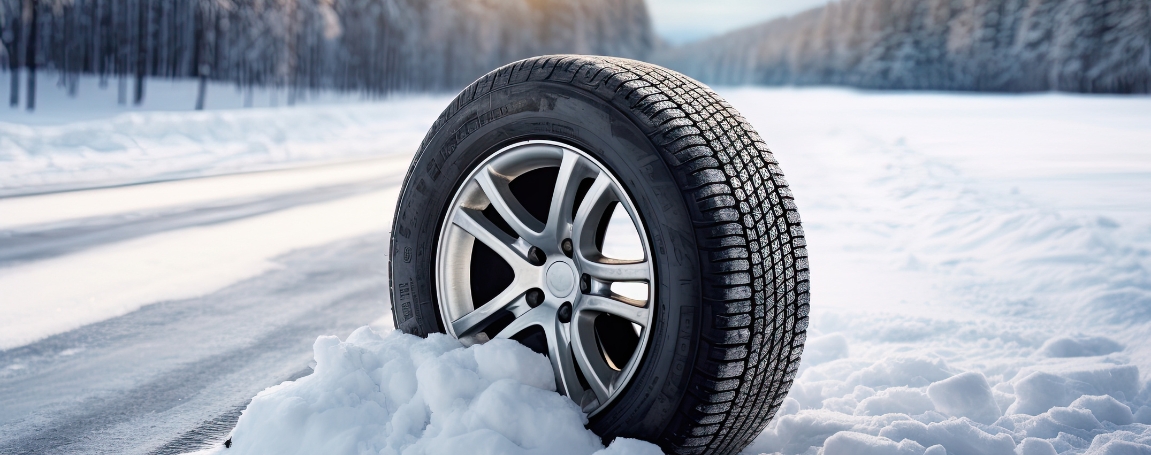
Winter tires are designed for colder temperatures, typically below 7°C. Once Manitoba temperatures consistently rise above that mark, winter tires can wear more quickly and may not perform as effectively on dry pavement.
Switching to all-season or summer tires during spring can help improve ride comfort, handling, and fuel economy. It also helps preserve the life of your winter tire set for next season. Scheduling your spring tire change early can also help you avoid the seasonal rush many service departments experience once warmer weather arrives.
Tire Pressure Changes With Temperature
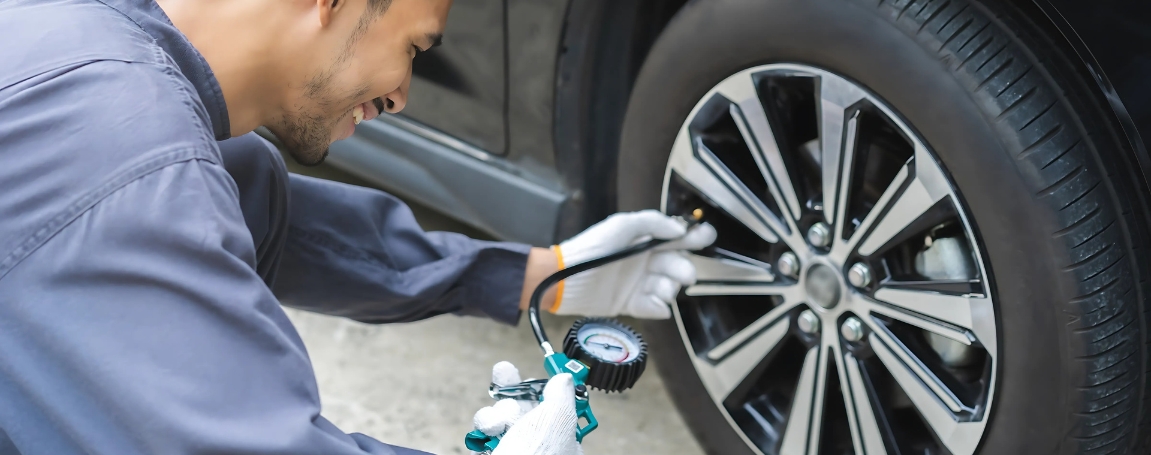
Many drivers are surprised by how much temperature changes can affect tire pressure. During Manitoba winters, cold air causes tire pressure to drop. As spring temperatures rise, pressure levels can fluctuate again.
Driving with incorrect tire pressure can impact steering response, tire wear, braking performance, and fuel efficiency. Underinflated tires may wear faster along the edges, while overinflated tires can reduce traction and create uneven wear patterns. Checking tire pressure regularly during seasonal transitions helps keep your vehicle operating safely and efficiently.
Watch for Uneven Tire Wear
Winter roads in Winnipeg often include potholes, rough pavement, and uneven surfaces that can affect wheel alignment and suspension components. These issues may cause uneven tire wear without drivers immediately noticing.
If one side of a tire appears more worn than the other, or if the vehicle pulls slightly while driving, it may be time for an alignment inspection. Catching alignment issues early can help extend tire life and improve overall driving comfort.
Inspect Tires for Cracks or Damage

Cold weather, road salt, and debris can sometimes damage tire rubber over the winter months. During your spring inspection, look closely for cracks, cuts, punctures, bulges, or embedded objects in the tread.
Even minor damage can become more serious over time, especially during highway driving or longer spring road trips. Professional technicians can help determine whether a tire can safely continue to be used or if replacement is recommended.
Don’t Forget Tire Rotation
Tires rarely wear evenly on their own. Front and rear tires often experience different levels of stress depending on your vehicle’s drivetrain, braking, and steering systems. Rotating your tires during spring maintenance helps promote more even wear and can improve tire lifespan. Many drivers combine tire rotation with seasonal tire changes or oil service appointments for added convenience.
Check Your Spare Tire Too
The spare tire is easy to overlook, but it is still an important part of your vehicle’s safety equipment. During a spring tire inspection, it is a good idea to ensure your spare is properly inflated and in usable condition. Finding out your spare tire is flat after getting a puncture is never a situation drivers want to face.
Tire Maintenance Helps Fuel Efficiency
Healthy tires do more than improve safety. Proper inflation, alignment, and tread condition can also help improve fuel economy. When tires roll efficiently, the engine does not need to work as hard to move the vehicle. That can make a noticeable difference during everyday driving and long-distance travel throughout Manitoba.
Spring Is the Perfect Time for Preventative Care
Seasonal tire maintenance helps identify problems before they become more expensive or dangerous later on. Simple inspections can catch wear, pressure issues, alignment concerns, or damage early while solutions are still manageable. It is one of the easiest ways to help protect both your vehicle and your passengers.
Schedule Your Spring Tire Service at River City Ford
If your vehicle is due for a spring tire inspection in Winnipeg, MB, the team at River City Ford is here to help. From tire pressure checks and tread inspections to seasonal tire changes and wheel alignments, our service team can help prepare your vehicle for the warmer months ahead.
Whether you are looking for tire inspection services near Steinbach, tire pressure checks near Selkirk, or tire maintenance near Headingley, River City Ford is ready to help keep you safely on the road this spring.