
15 Tire Questions Answered
15 Tire Questions Answered
Posted on June 18, 2026
Tires do much more than simply keep your vehicle moving. They help with traction, braking, fuel efficiency, comfort, and safety in changing weather conditions. In Manitoba, where drivers experience everything from icy winters to warm summer highways, understanding your tires can make a noticeable difference in how your vehicle performs.
Whether you are commuting through Winnipeg, driving toward Steinbach, or preparing for changing conditions near Headingley, MB, having answers to common tire questions can help you stay safer and avoid unnecessary wear or expenses. Here are 15 tire questions every driver should know.
1. How Often Should I Check Tire Pressure?
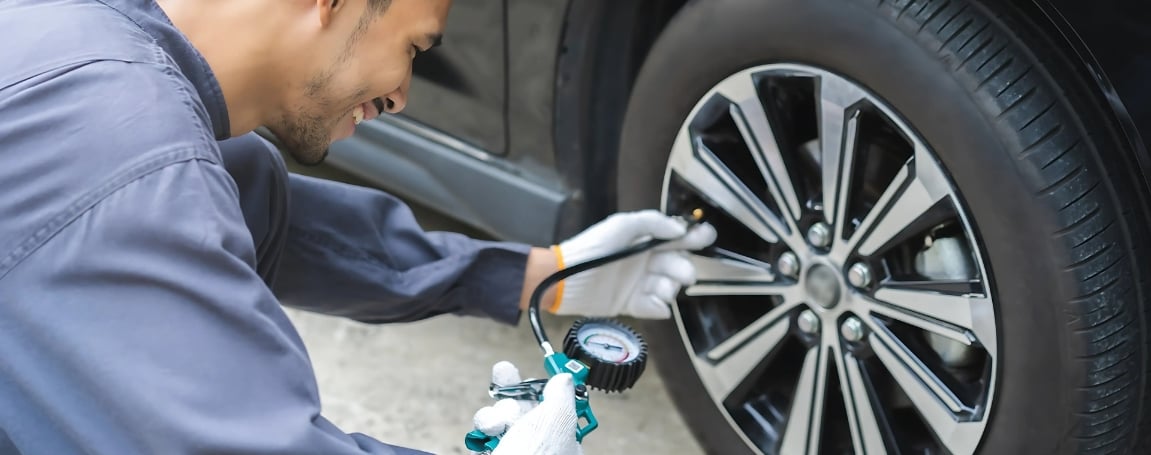
It is a good habit to check tire pressure at least once a month and before longer road trips. Temperature changes can affect tire pressure quickly, especially during Manitoba winters.
Driving on underinflated tires may reduce fuel efficiency and increase uneven wear, while overinflated tires can affect ride comfort and traction. Always follow the recommended tire pressure listed inside your driver’s door frame or owner’s manual rather than relying on the number shown on the tire itself.
For drivers looking for a reliable tire pressure guide for those living in Manitoba, regular checks become especially important during seasonal temperature swings.
2. Why Does Tire Pressure Drop in Cold Weather?
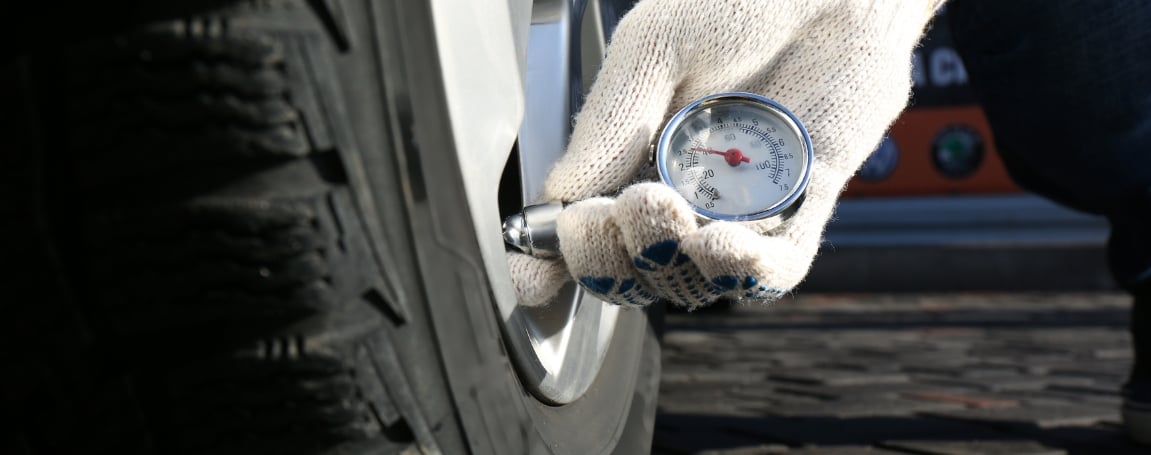
Cold temperatures naturally reduce air pressure inside tires. In general, tires can lose pressure as temperatures drop, which is one reason warning lights tend to appear more often during winter months. Checking inflation regularly during colder seasons helps maintain handling and braking performance.
3. When Should I Switch to Winter Tires?
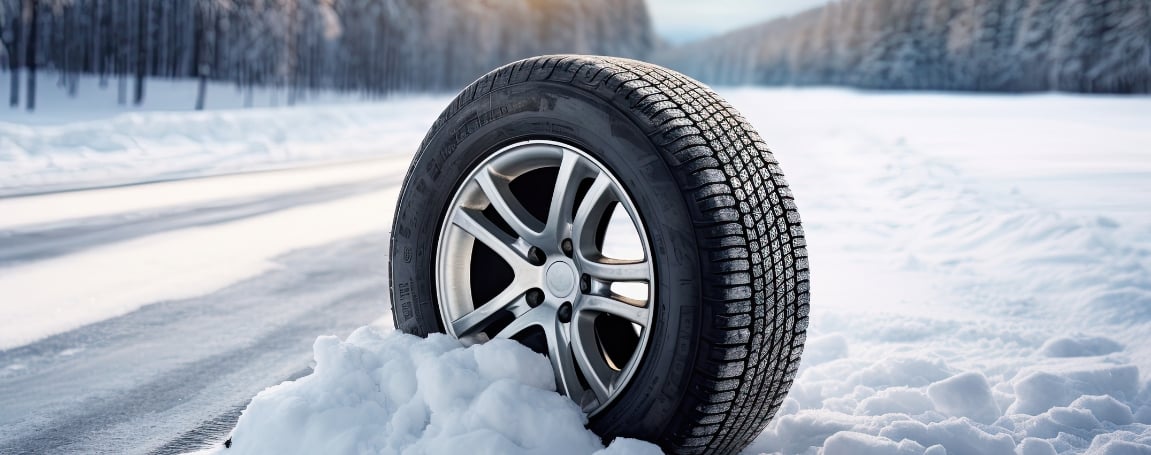
Winter tires typically make sense when temperatures consistently stay below 7°C. Even if roads appear dry, colder temperatures can make regular all-season tires less effective. For Manitoba drivers, winter tires often improve traction, stopping distance, and confidence during snowy or icy conditions.
4. What Is Tread Depth and Why Does It Matter?
Tread depth refers to the grooves on your tires that help channel water, slush, and snow away from the contact surface. As tread wears down, tires lose grip, especially in wet or winter driving conditions. Poor tread depth can increase stopping distances and reduce traction. Understanding tire tread depth’s importance in Canada is especially valuable for drivers facing changing road conditions throughout the year.
5. How Can I Tell If My Tires Need Replacing?
Several warning signs may suggest it is time for new tires:
- Visible tread wear
- Cracks or sidewall damage
- Uneven wear patterns
- Increased vibration while driving
- Reduced traction in wet conditions
If you notice any of these issues, having your tires professionally inspected is a smart next step.
6. How Long Do Tires Usually Last?
There is no single answer because tire lifespan depends on driving habits, road conditions, maintenance, and climate. Some drivers may need replacement sooner if they frequently drive long distances or encounter rough roads. Regular tire inspections help determine when replacement becomes necessary. For those researching tire lifespan around Headingley, MB, seasonal driving and road conditions often play a major role in wear.
7. What Is Tire Rotation and Why Is It Important?
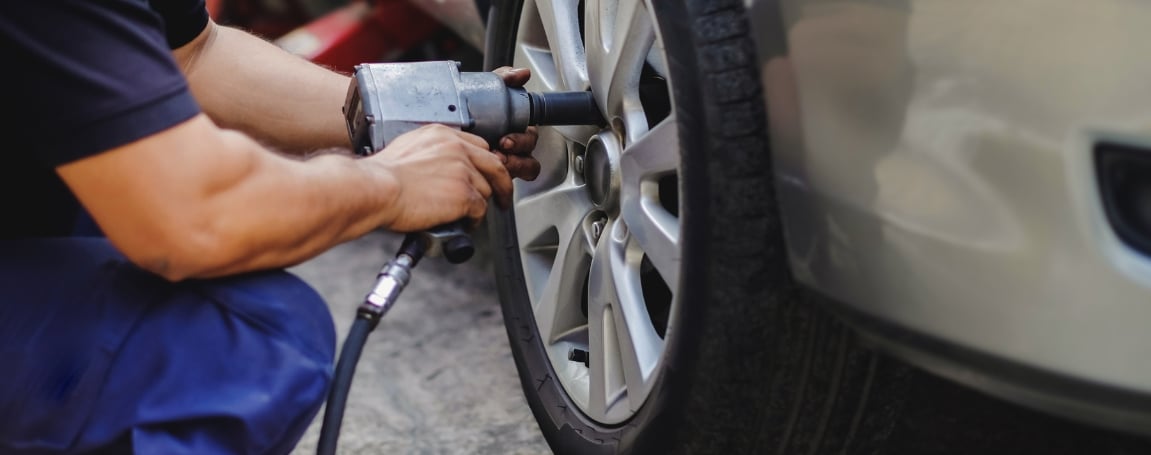
Tire rotation means moving tires to different positions on the vehicle to encourage more even wear. Front and rear tires often wear differently depending on driving habits and drivetrain setup. Regular rotations may help improve tire longevity and overall vehicle performance. Many manufacturers recommend tire rotation approximately every 8,000 to 12,000 kilometres, though your owner’s manual should always be the best guide.
8. Do All-Season Tires Work Year-Round?
All-season tires are designed to handle a variety of conditions, but they may not perform as confidently during harsh Canadian winters.
For areas with heavy snow or prolonged freezing temperatures, dedicated winter tires generally offer stronger grip and braking performance. This remains one of the most common seasonal tire questions drivers ask every year.
9. Why Are My Tires Wearing Unevenly?
Uneven tire wear may happen for several reasons, including:
- Incorrect tire pressure
- Poor wheel alignment
- Suspension issues
- Missed tire rotations
If one area of your tire appears more worn than another, it may be worth scheduling an inspection before the issue worsens.
10. Does Tire Pressure Affect Fuel Economy?
Yes, it can. Tires with improper inflation may create more rolling resistance, causing your vehicle to work harder and potentially use more fuel. Maintaining proper tire pressure can help improve efficiency and support better overall performance.
11. What Is Wheel Alignment?
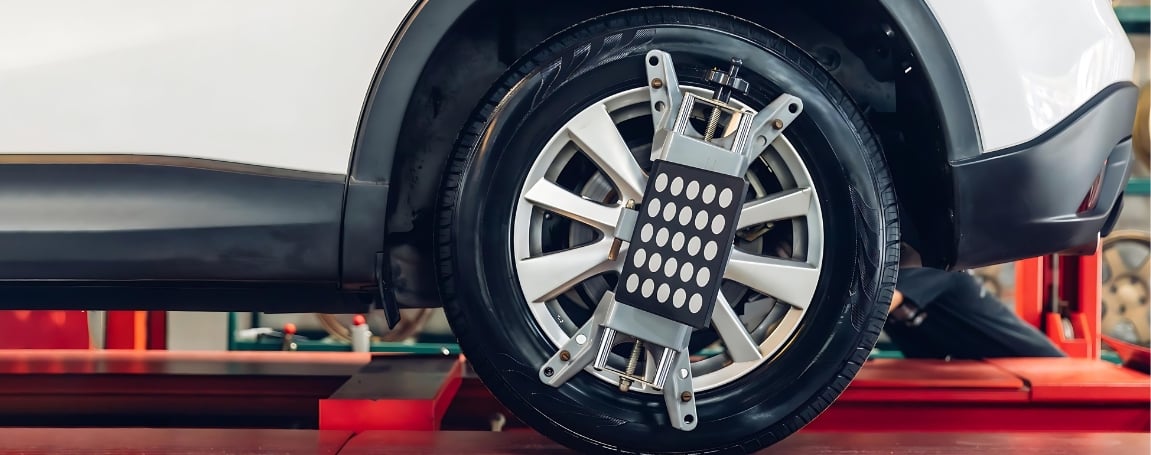
Wheel alignment refers to adjusting suspension angles so your tires meet the road correctly.
Common signs of alignment problems include:
- Vehicle pulling to one side
- Uneven tread wear
- Steering wheel not centred
- Reduced handling confidence
Good alignment helps improve tire life and vehicle stability.
12. Can I Mix Different Tire Brands?
While technically possible in some situations, matching tire types and sizes across your vehicle is generally recommended for balanced handling and performance. Different tread designs and tire compounds may affect braking, cornering, and overall driving feel.
13. Why Does My Tire Warning Light Turn On?
The Tire Pressure Monitoring System (TPMS) warning light often appears when one or more tires have low pressure. In colder weather, temporary pressure drops are common. However, if the warning remains on, it is important to inspect the tires for punctures or inflation issues.
14. Should I Replace One Tire or All Four?
The answer depends on tire wear, drivetrain type, and the condition of the remaining tires. Sometimes replacing one or two tires may be acceptable, while in other situations replacing all four helps maintain consistent traction and performance. A professional inspection can help determine the safest approach.
15. Where Can I Get Help Choosing the Right Tires?
Choosing the right tire depends on your vehicle, driving habits, and local weather conditions. Whether you need all-season, winter, or performance tires, professional advice can make the process easier. Drivers searching for vehicle tire care in MB, tire maintenance in Steinbach, MB, or tire safety in Selkirk, MB often benefit from expert recommendations based on real driving conditions.
Stay Ready for Manitoba Roads
Tires affect nearly every part of your driving experience, from comfort and efficiency to braking and confidence behind the wheel. Understanding these common questions can help you make smarter decisions and avoid preventable issues throughout the year.
If you have questions about tire condition, seasonal changes, or replacement options, visit River City Ford in Winnipeg, MB. Our team can help you choose the right tires for Manitoba driving while helping keep your vehicle ready for every season.